
At Atlanta Neuroscience Institute, we recognize the impact that knowledge and accurate information can have on the lives of those affected by epilepsy. As experts in epilepsy diagnosis and treatment, we strive to dispel myths and misconceptions that can hinder the effective management of this neurological condition. If you or a loved one has been affected by epilepsy, it’s essential to be well-informed about the condition. Join us as we debunk four common misconceptions about epilepsy and help spread awareness.
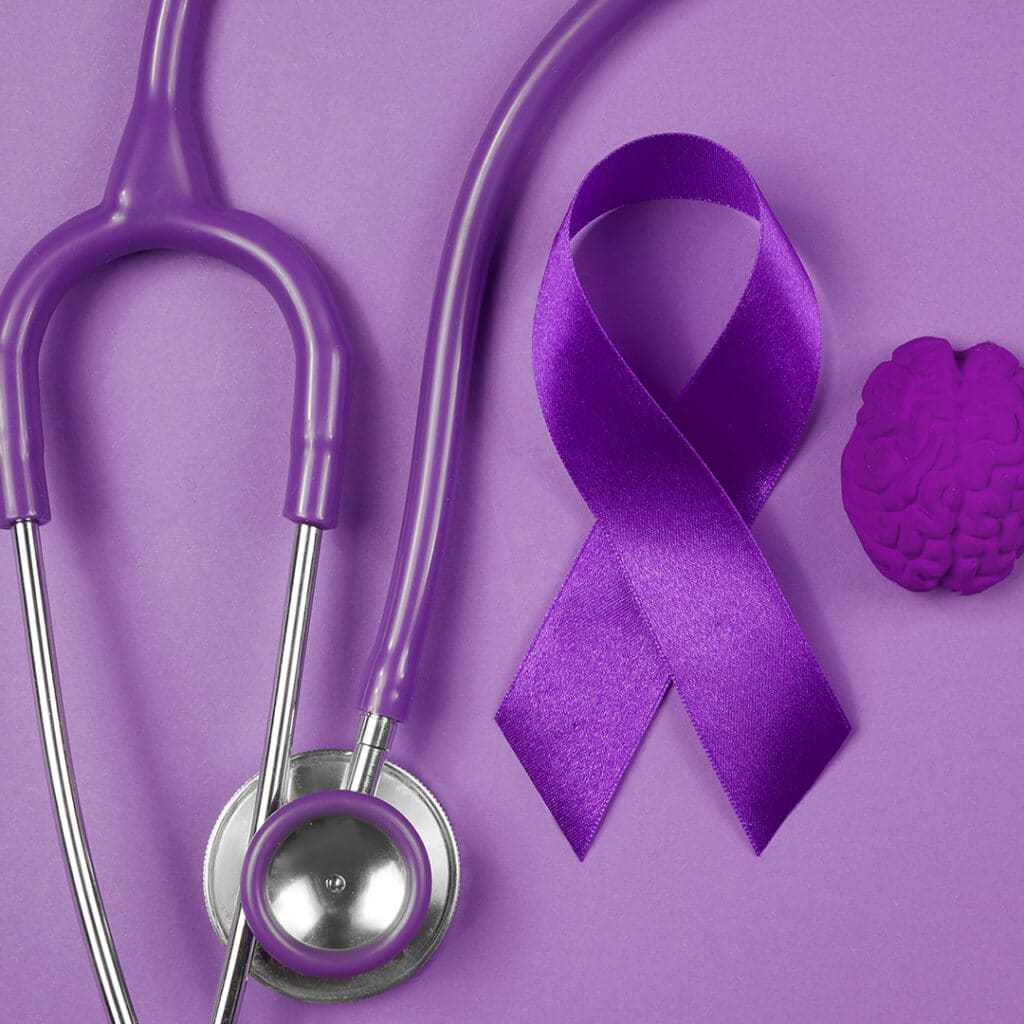
Myth 1: Epilepsy is a rare disorder
Contrary to popular belief, epilepsy is not a rare condition. In fact, it is one of the most common neurological disorders, affecting around 65 million people worldwide with an estimated five million diagnoses annually. In the United States alone, approximately 3.4 million people live with epilepsy, making it essential to raise awareness and improve understanding of this condition.
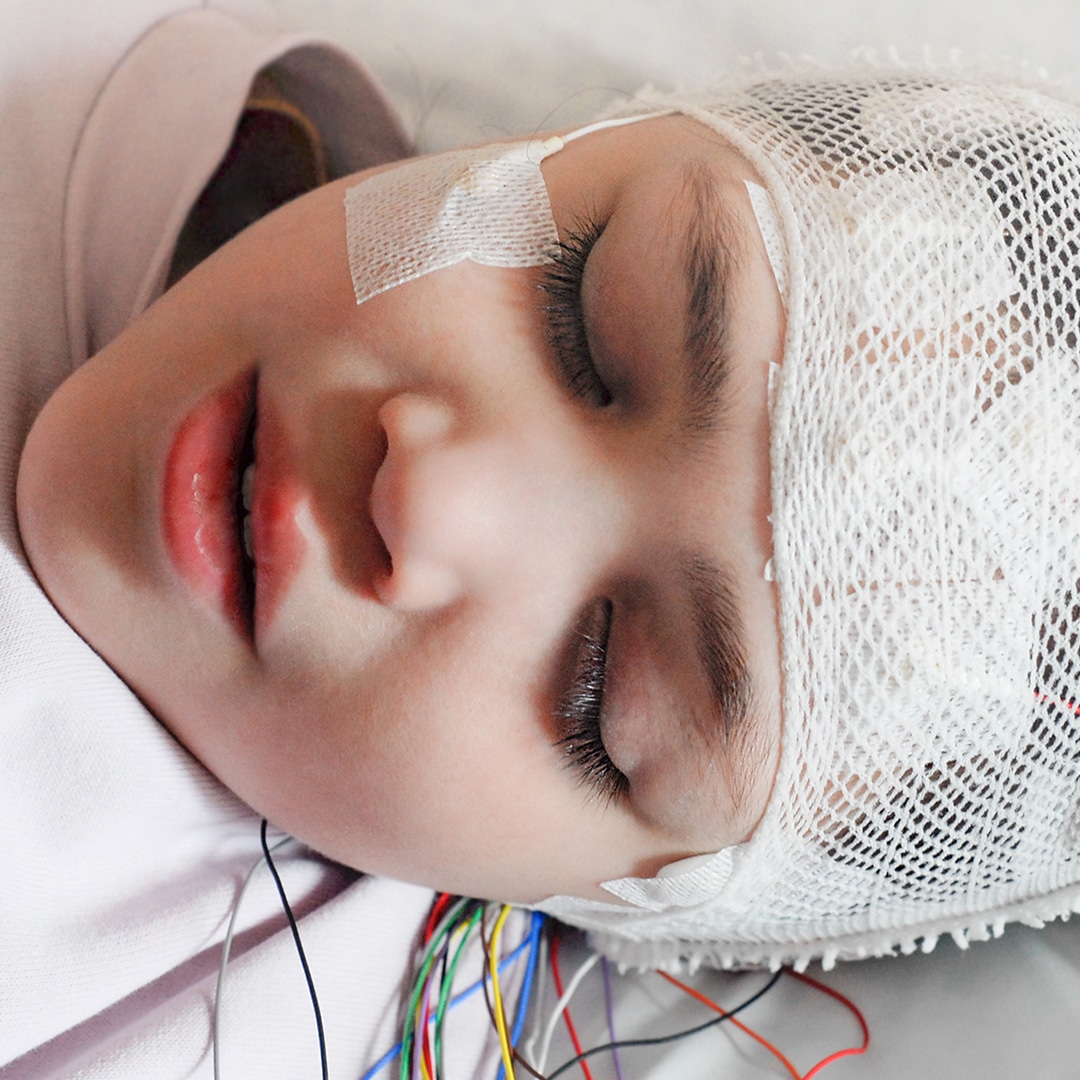
Myth 2: All seizures are the same
Seizures can manifest in various ways and are classified into different types based on their presentation and origin in the brain. Some seizures may involve convulsions and loss of consciousness, while others may present as brief staring spells or sudden, involuntary movements. Understanding the various seizure types helps ensure that individuals with epilepsy receive appropriate treatment and support.

Myth 3: Epilepsy is always a lifelong condition
While epilepsy can be a lifelong condition for some individuals, many others may experience reduced seizure frequency or even complete seizure remission over time. With appropriate treatment and management, many people with epilepsy can achieve long-term seizure control, leading to improved quality of life.

Myth 4: People with epilepsy cannot lead normal lives
Living with epilepsy can present challenges but does not prevent individuals from leading fulfilling lives. With proper treatment, guidance, and support, many people with epilepsy can work, study, and participate in social activities. It is important to recognize and address the unique needs of each person with epilepsy to help them achieve their goals and maintain independence.
Understanding
By debunking these myths and misconceptions, we hope to foster a greater understanding of epilepsy and its impact on the lives of those affected. Our dedicated professionals at Atlanta Neuroscience Institute are committed to providing comprehensive care for individuals with epilepsy. If you or a loved one needs expert guidance, don’t hesitate to contact us to schedule a consultation.