
At Atlanta Neuroscience Institute, we understand that caring for a loved one living with Alzheimer’s can be challenging, especially when it comes to communication. As the disease progresses, it may become increasingly difficult for patients to express themselves or understand what is being said. However, meaningful interactions are still possible. Here are four essential tips to enhance communication with Alzheimer’s patients.

Use Simple Language
When conversing with your loved one, opt for clear and simple language. Avoid complex sentences and jargon that could confuse them. Instead of asking open-ended questions, try direct inquiries, such as, “Would you like some tea?” This kind of clarity helps reduce confusion and allows them to respond more easily.

Be Patient and Allow Time
Patience is key. Give your loved one sufficient time to process your words and formulate a response. Rushing them can lead to frustration for both of you. If they struggle to find the right words, gently prompt them without finishing their sentences, allowing them to express themselves at their own pace.
Reduce Distractions
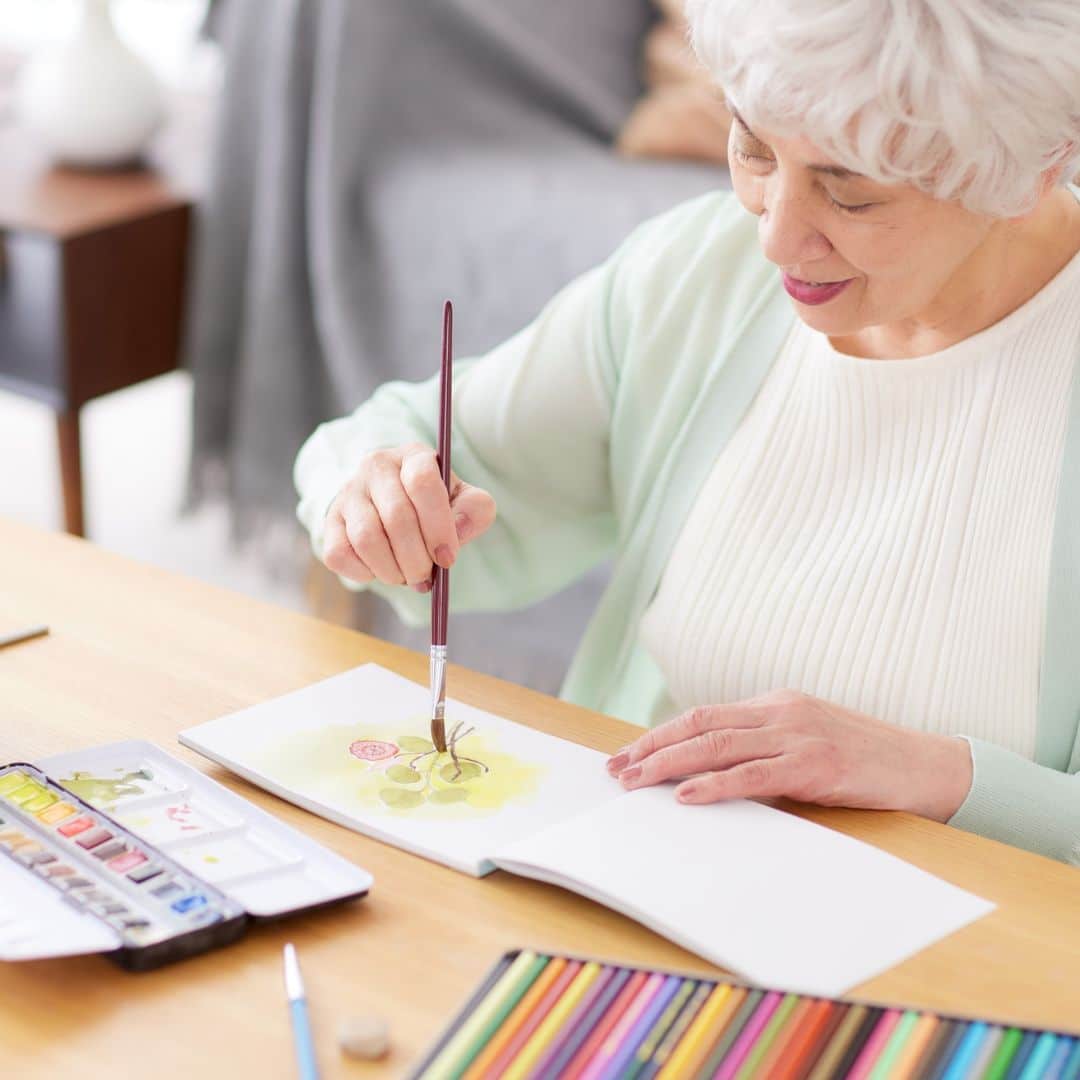
Creating a calm environment can significantly improve communication. Minimize background noise, such as TV or music, that could serve as distractions. A quiet, well-lit space can help your loved one focus on the conversation, easing their ability to engage and understand.
Focus on Non-Verbal Communication
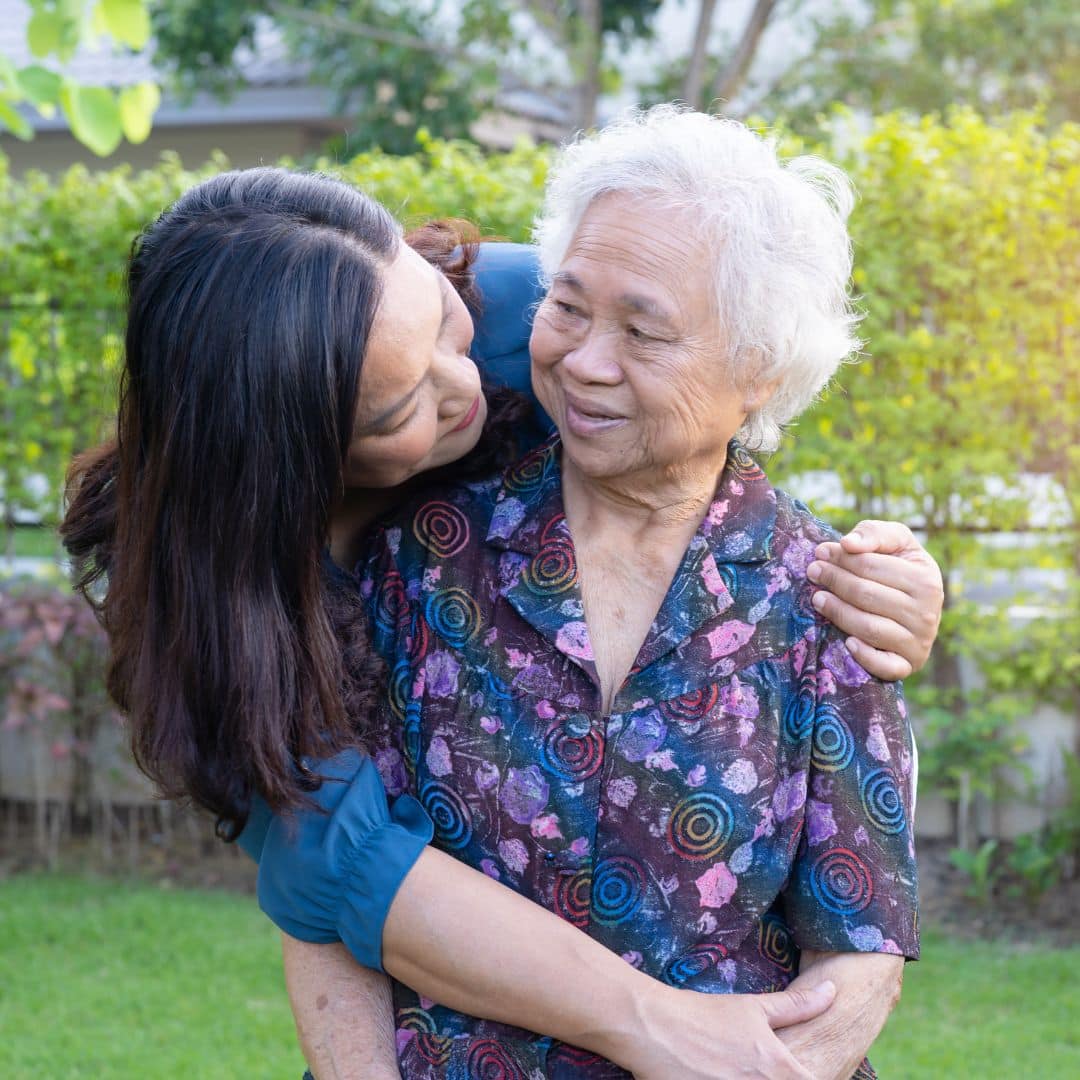
Non-verbal cues, including facial expressions, gestures, and tone of voice, are crucial in communication. Smile and maintain eye contact to convey warmth and reassurance. Many Alzheimer’s patients respond best to emotional tones rather than the words themselves, so let your body language express your love and support.
At Atlanta Neuroscience Institute, our mission is to offer superior Alzheimer’s support, and we believe that every interaction matters. By implementing these four tips, you can foster more meaningful connections and enrich the lives of those you care about. Remember, even small conversations are significant in maintaining a sense of connection and dignity for your loved ones.