
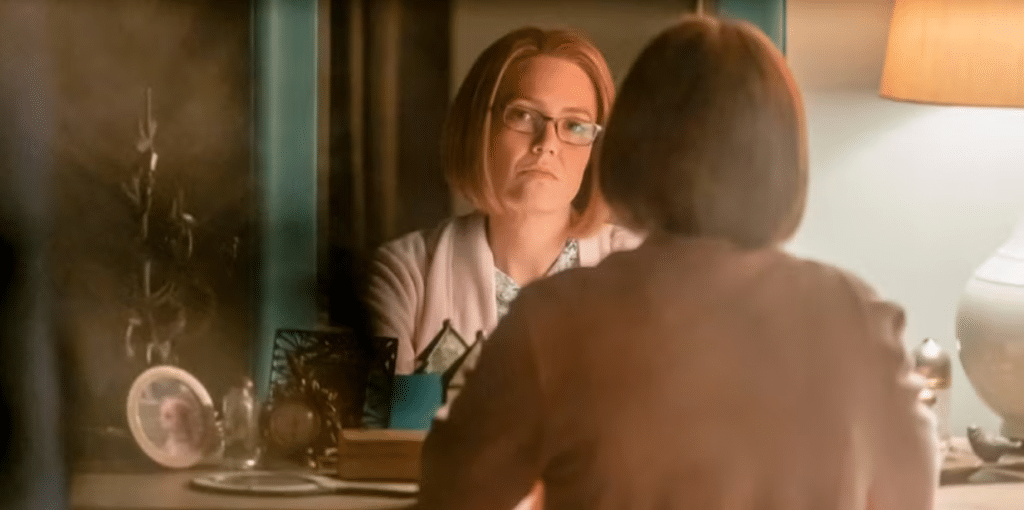
A neurologist breaks down the reality behind Rebecca’s
diagnosis
Alzheimer’s on This Is Us has sparked a lot of questions about how accurately the show portrays the disease.
For many viewers, it mirrored what they had seen in their own families: subtle memory changes, difficult conversations, and the slow realization that something deeper might be going on.
But how accurate was it?
We asked a neurologist at Atlanta Neuroscience Institute to break down what the show gets right, where it simplifies things, and what people should actually look for in real life.
What the show gets right
1. Early symptoms are easy to overlook
Rebecca’s diagnosis begins with mild memory issues and confusion, not dramatic decline. That’s consistent with how Alzheimer’s disease often starts.
Early-stage symptoms can include:
- Forgetting recent conversations or appointments
- Misplacing items more frequently
- Trouble finding the right words
- Subtle changes in decision-making
These changes are often dismissed as normal aging, which is why early diagnosis can be delayed.
2. The emotional impact on families is real
One of the most accurate parts of This Is Us is how it portrays the family response.
From denial to frustration to protectiveness, the show captures something that clinical definitions cannot:
Alzheimer’s affects more than just the individual. It affects everyone around them.
3. Alzheimer’s is a gradual progression
The series shows a slow, evolving journey rather than an overnight change. That’s important.
Alzheimer’s is a progressive condition. Symptoms typically worsen over time, but the pace and presentation can vary widely from person to person.

Where TV simplifies things
No show gets everything perfectly right, and This Is Us is no exception.
1. Timelines are often compressed
For storytelling purposes, changes may appear faster than they would in real life. In reality, Alzheimer’s can progress over many years.
2. Diagnosis is rarely that straightforward
On screen, the diagnosis process can feel quick and definitive. In practice, it often involves:
- Cognitive testing
- Imaging, such as MRI
- Lab work to rule out other causes
- Ongoing monitoring over time
Mild cognitive impairment does not always lead to Alzheimer’s, and careful evaluation is critical.
3. No two patients experience it the same way
While Rebecca’s story is compelling, Alzheimer’s does not follow a single path. Symptoms, progression, and response to treatment can differ significantly between individuals.
What to watch for in real life
One of the biggest takeaways from the show is also one of the most important in real life:
early signs matter.
It may be time to seek a medical evaluation if you notice:
- Increasing memory loss that disrupts daily life
- Difficulty completing familiar tasks
- Confusion with time or place
- Changes in mood, behavior, or personality
Getting evaluated early can help clarify what’s going on and open the door to treatment options, planning, and support.
From TV to reality
This Is Us deserves credit for treating Alzheimer’s disease with a level of care and realism that’s often missing from television.
But beyond the storyline, it highlights something more important:
recognizing when something isn’t quite right and taking the next step.
If you or a loved one are noticing changes in memory or thinking, early evaluation can make a meaningful difference. At Atlanta Neuroscience Institute, our team specializes in diagnosing and managing conditions like Alzheimer’s disease.
Written by Josh Mann
Medically reviewed by Dr. Salamatova