In this article, the Atlanta Neuroscience Institute explores the fascinating and rapidly advancing field of neurofeedback and its role in brain rehabilitation. As scientists and researchers delve deeper into understanding the complexities of the human brain, neurofeedback has emerged as a promising therapeutic technique. Join us as we delve into the benefits and applications of this innovative approach to brain rehabilitation.
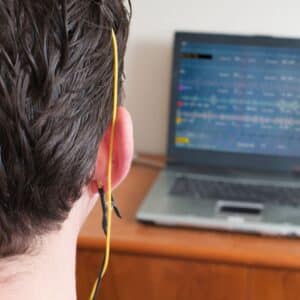
Neurofeedback is a non-invasive technique that allows individuals to monitor and regulate their brainwave activity in real time. By using advanced technology, such as electroencephalography (EEG), neurofeedback provides feedback on brain activity through visual or auditory cues. This enables individuals to learn to self-regulate their brainwaves and improve brain functioning.

Neurofeedback in Brain Rehabilitation
Many individuals with neurological disorders, such as traumatic brain injury, stroke, or ADHD, experience disruptions in their brainwave patterns. These irregularities can lead to a range of cognitive, emotional, and behavioral challenges. Neurofeedback is increasingly used as a therapeutic intervention to help individuals retrain their brainwaves and improve their overall brain function.
Benefits of Neurofeedback
Neurofeedback is a non-invasive technique that allows individuals to monitor and regulate their brainwave activity in real time. It provides immediate feedback through visual or auditory cues, enabling individuals to learn self-regulation and improve brain functioning. Its non-invasive nature makes it a safe and accessible option, and its personalized approach tailors treatment to each individual’s specific needs. Clinicians can track progress and make adjustments for optimal results. Overall, neurofeedback offers a dynamic and effective method for enhancing brain function and well-being.

Applications of Neurofeedback
Neurofeedback has shown promise in assisting individuals with a variety of neurological disorders, including Multiple Sclerosis (MS), Parkinson’s Disorder, Epilepsy, and Alzheimer’s. For individuals with MS, neurofeedback can help manage symptoms such as fatigue, cognitive difficulties, and coordination problems by training the associated brainwave patterns. In Parkinson’s Disorder, neurofeedback targeting specific brainwave patterns related to movement disorders can improve motor symptoms and cognitive function. As an adjunctive treatment for epilepsy, neurofeedback can assist in seizure management by regulating brainwave activity. While neurofeedback cannot reverse or cure Alzheimer’s, it can improve cognitive function, increase attention, and reduce anxiety and depression symptoms in individuals with the disease. Through personalized, non-invasive techniques, neurofeedback offers hope and potential for improved brain function and quality of life for those living with these challenging neurological conditions.
Neurofeedback represents a revolutionary approach to brain rehabilitation, offering hope and improved outcomes for individuals with neurological disorders. With its non-invasive nature, personalized treatment approach, and growing body of evidence supporting its effectiveness, neurofeedback is poised to become an integral part of brain rehabilitation. At the Atlanta Neuroscience Institute, we are committed to staying at the forefront of this exciting field, integrating neurofeedback into our comprehensive approach to patient care. Contact us today!